
Top Exterior Painting Tools And Products For Home Improvement
Get insights into essential tools and materials that make outdoor painting projects more efficient and result in stunning outcomes.
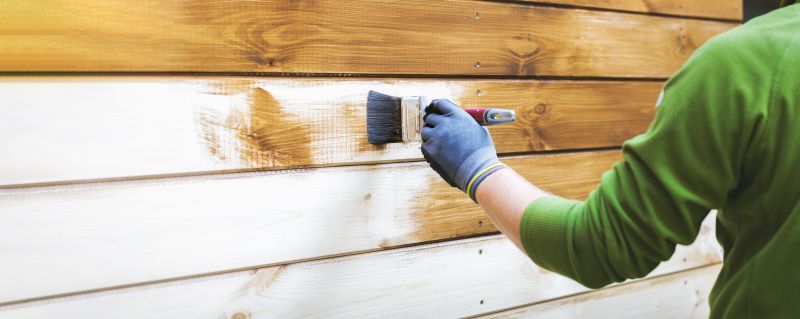 Exterior painting projects are essential for maintaining the appearance and protection of a building's exterior surfaces. Selecting the right products for exterior painting can significantly influence the durability and finish of the project. From primers to topcoats, the variety of products available allows for tailored solutions suited to different surfaces, climates, and aesthetic preferences. Proper preparation and the use of compatible products can help ensure a longer-lasting paint job that withstands weather elements such as rain, sun, and snow, especially relevant for locations like Savage, MN.
Top Overall Option
Exterior Paint and Primer Combo
An exterior paint and primer combination product offers a convenient solution by combining adhesion, coverage, and weather resistance in one. These products are designed to simplify the application process while providing a durable finish suitable for various exterior surfaces. They are formulated to adhere well to different substrates and withstand outdoor elements, making them a versatile choice for many projects.
Types of Products For Exterior Paintings
Acrylic Exterior Paint
Water-based paint suitable for a variety of surfaces, offering good color retention and flexibility.
Oil-Based Exterior Paint
Provides a durable finish with excellent adhesion and resistance to peeling, ideal for high-traffic areas.
Primers and Sealers
Preparatory coatings that promote adhesion and help seal surfaces against moisture and stains.
Elastomeric Coatings
High-build coatings that bridge cracks and expand with the surface, ideal for stucco and masonry.
Textured Paints
Add decorative dimension and hide surface imperfections while providing weather resistance.
High-Gloss Finishes
Offer a shiny, reflective surface that is easy to clean and maintain.
Satin and Eggshell Finishes
Provide a soft sheen that balances appearance and durability, suitable for siding and trim.
Mildew-Resistant Coatings
Formulated to resist mold and mildew growth in humid or shaded areas.
Rust-Inhibitive Paints
Designed for metal surfaces to prevent rust formation and corrosion.
Chalk-Resistant Paints
Help maintain a clean appearance by resisting chalking over time.
UV-Resistant Coatings
Protect surfaces from sun damage and fading, extending the lifespan of the paint job.
Eco-Resistant Coatings
Formulated to withstand environmental challenges such as pollution and salt spray.
Anti-Carbonation Paints
Designed for concrete surfaces to prevent carbonation-related damage.
Anti-Graffiti Coatings
Allow for easier cleaning of graffiti or other markings on exterior surfaces.
Fire-Resistant Coatings
Provide additional fire protection for exterior surfaces in specific applications.
Popular Choices
Versatile paints suitable for multiple exterior surfaces, appreciated for their ease of use.
Designed to withstand seasonal changes, these coatings are favored for durability.
Popular in shaded or humid areas, helping to prevent mold growth.
Chosen for their reflective finish and ease of cleaning.
Preferred for a non-reflective surface that hides surface imperfections.
Common for stucco and masonry, offering flexibility and crack bridging.
Specially formulated for metal, providing rust prevention and adhesion.
Widely used to prepare surfaces for topcoats and improve longevity.
Essential for sealing gaps and joints before painting.
Popular for decorative finishes and surface concealment.
Enhance color retention and surface protection from sun exposure.
Chosen for metal fixtures and surfaces prone to corrosion.
Help maintain a clean look over time, especially in dusty environments.
Selected for added safety in specific exterior applications.
When choosing products for exterior painting, it is important to consider the type of surface being painted, whether it is wood, stucco, brick, or metal. Surface preparation products like primers and sealers play a crucial role in ensuring adhesion and preventing issues like peeling or cracking. Additionally, selecting the appropriate paint finish—such as matte, satin, or gloss—can influence both the look and the level of maintenance required.
The climate of Savage, MN, with its seasonal temperature fluctuations and moisture levels, underscores the importance of using high-quality, weather-resistant paints and coatings. These products help protect surfaces from moisture intrusion, UV damage, and temperature-related expansion or contraction. Proper application techniques and compatible products contribute to a professional-looking result that endures over time, reducing the need for frequent touch-ups or repainting.
Overall, understanding the range of available products and their specific functions can empower homeowners and contractors alike to make informed decisions that align with their project goals and environmental conditions. Whether updating a home’s exterior or preparing a commercial building, selecting the right combination of primers, paints, sealers, and finishing products is key to achieving a durable and attractive finish.
Key Buying Considerations
- Surface compatibility: ensure the product is suitable for the specific exterior material.
- Weather resistance: select products designed to withstand local climate conditions such as snow, rain, and sun.
- Durability and longevity: consider the expected lifespan and resistance to peeling or cracking.
- Finish type: choose between matte, satin, semi-gloss, or gloss based on aesthetic preferences and maintenance needs.
- Application method: some products may require brushes, rollers, or sprayers; select accordingly.
- Preparation requirements: determine if priming or surface sealing is necessary before applying topcoats.
- Color retention: look for products formulated to maintain color vibrancy over time.
- Mildew and mold resistance: especially important for shaded or humid areas.
- Compatibility with existing coatings: verify if new products will adhere well over current paints or primers.
- Environmental conditions: consider UV exposure, moisture levels, and temperature fluctuations.
- Ease of cleaning and maintenance: some finishes are easier to wash and keep looking fresh.
- Application temperature and drying time: ensure suitable conditions for proper curing.
- VOC content: check for low-VOC options if indoor air quality or regulations are a concern.
- Price and coverage: balance cost with the amount of surface coverage and quality.
- Brand reputation and reviews: consider products with positive feedback and proven performance.